Hormones6 min
7-Day PCOS Diet Plan (Indian Vegetarian)
Why food matters in PCOS
Most women with PCOS have some degree of insulin resistance. When insulin stays high, the ovaries make more androgens, which shows up as irregular periods, acne, hair fall and stubborn belly fat.
The goal is not to eat less, but to eat in a way that keeps blood sugar steady: protein at every meal, fibre first, and carbohydrates that release slowly.
The plate rule we use
Half the plate vegetables, a quarter protein (dal, paneer, tofu, curd, sprouts), a quarter whole grains or millets (jowar, bajra, ragi, brown rice), plus 1–2 tsp of good fat.
Eat in the same order when you can: vegetables first, then protein, then roti or rice. This simple sequence softens the sugar spike.
A sample day
Early morning: warm water with soaked methi seeds or cinnamon water.
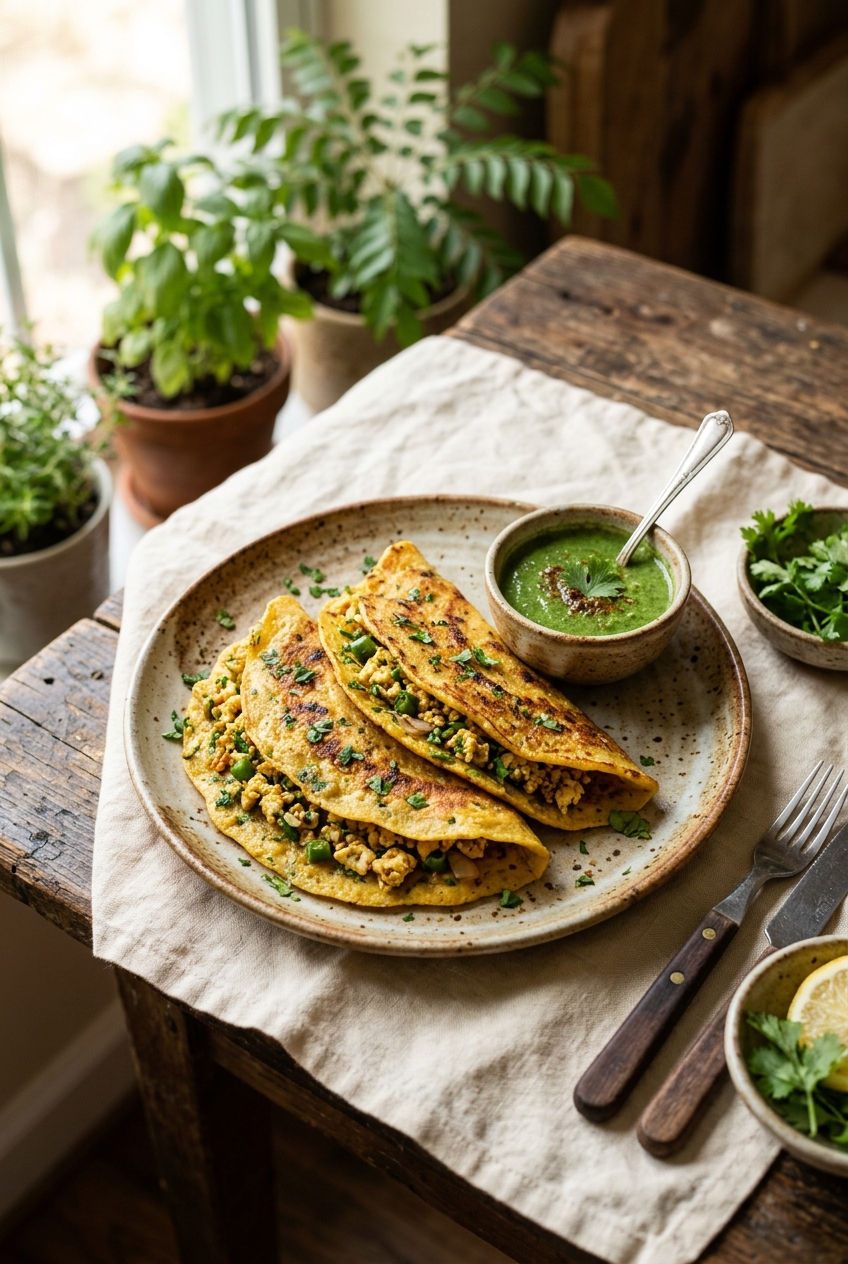
Breakfast: moong dal chilla with paneer stuffing and mint chutney.
Mid-morning: a fruit (guava, apple or pear) with 5–6 almonds.
Lunch: 2 jowar or multigrain rotis, dal, a large sabzi and a bowl of salad with curd.
Evening: roasted chana or makhana with green tea.
Dinner (by 8pm): vegetable khichdi made with millet and moong, or paneer bhurji with a small roti.
Bedtime: a pinch of turmeric in warm milk if it suits you.
How the 7 days rotate
Rotate breakfasts between chilla, vegetable poha made with millet, besan cheela, ragi dosa and sprouts upma. Rotate dals and sabzis so you get a wide spread of fibre.
Keep one day a week for a planned outside meal: pick grilled, tandoori or dal-based options and skip sugary drinks.
What to limit
Packaged juices, sweets, maida-based bakery items, deep-fried snacks and late-night eating. You don't need to give up rice or roti; you need the right portion and the right company on the plate.
When to get personal help
PCOS looks different in every woman. Thyroid levels, vitamin D, B12, insulin and your cycle pattern all change what your plan should look like. A personalised chart built from your blood reports works far better than any generic plan.
This article is general information, not medical advice. Please consult your doctor or dietitian before changing your diet.
Want a plan made for your body and your kitchen?
Take the 2-min assessment